
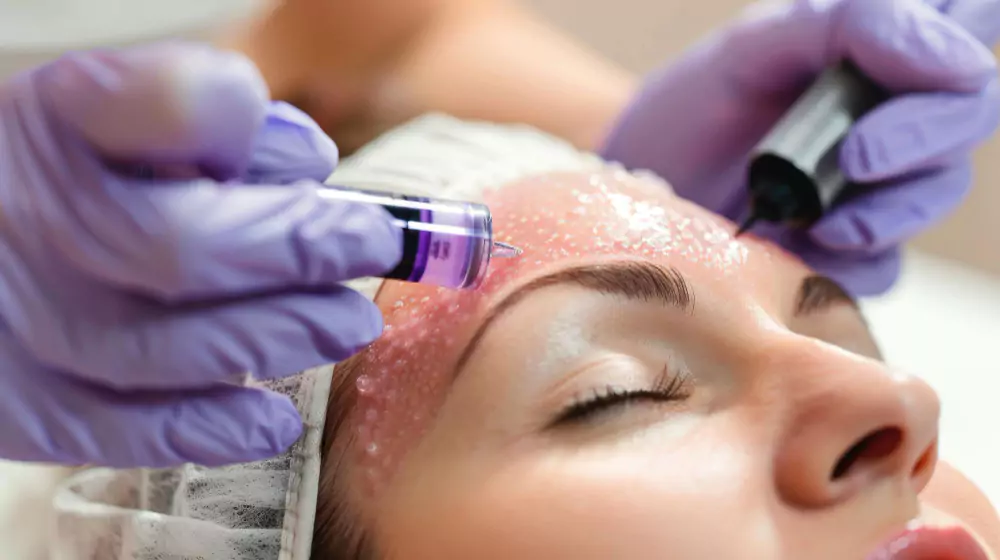
Microneedling is also called collagen induction therapy, which has been one of the most in-demand and effective treatments that can basically alter the skin by reducing scars, wrinkles, or lines, besides stimulating the action of collagen. If one aims to enhance their portfolio in microneedling, then taking a course in Essex might be one of the best ways toward an extended career. This article will look at five tried-and-tested techniques one will get from a top-notch microneedling course in Essex that is going to help one build confidence in their skills and wish to deliver this life-changing treatment to customers.
Why take a Microneedling Course in Essex?
Essex is fast becoming one of the premiere places to go for aesthetics training, especially with some of the most esteemed courses in the UK. A course in microneedling based in Essex will offer practical experience and knowledge of both the basic and advanced techniques, insight into safety, client consultation, and aftercare. You can rest assured that with a focused course in microneedling, you understand not only the theory but develop practical competence, an essential ingredient toward attaining results and confidence among your clients.
1. Understanding Microneedling Fundamentals
Microneedling is based on the scientific principle of collagen induction. Most courses start with coverage of skin anatomy, how healing takes place, and the formation of collagen. By learning what actually happens beneath the skin’s surface, better comprehension can be developed of why microneedling should work and how such therapy applies to various skin conditions.
A proper understanding of the science behind microneedling should therefore ensure a more in-depth explanation with assurance to the client and treatment customization for specific skin types. Basic techniques would include adjusting the needle depth, where the speed of movement has shown both are critical in trying to achieve the best possible results with minimal trauma to the skin.
You will have theoretical classes supported by practical demonstrations in a course based in Essex. In fact, all other advanced techniques are built on the knowledge acquired here.
2. Learning Precision Technique for Specific Skin Concerns
Microneedling can take care of anything from acne scars to hyperpigmentation and even fine lines. A professional course in Essex will most probably cover all techniques that tackle those skin concerns accordingly. You learn how to adjust the depth of the needles, their frequency according to the area that is being treated, and the specific skin concerns of the client.
For Example:
- Fine Lines and Wrinkles: Superficial microneedling at 0.5-1.0 mm is sufficient to stimulate collagen production without going deeper. It serves to smooth out the fine lines, giving the skin a rejuvenated texture.
- Acne Scars: Deeper penetration of about 1.5-2.0 mm might be necessary to reach deeper layers where scarring is prominent. However, a balance has to be maintained to avoid further damage to the skin.
- Hyperpigmentation and Sun Damage: In cases of hyperpigmentation and sun damage, microneedling at specific depths helps in cell turnover to reduce the appearance of pigmentation and even out the skin tone.
Courses in Essex will teach you how to work around sensitive areas, such as the eyes and mouth area, where precision is required. That way, you can adapt the treatment accordingly and offer something extra to your customer.
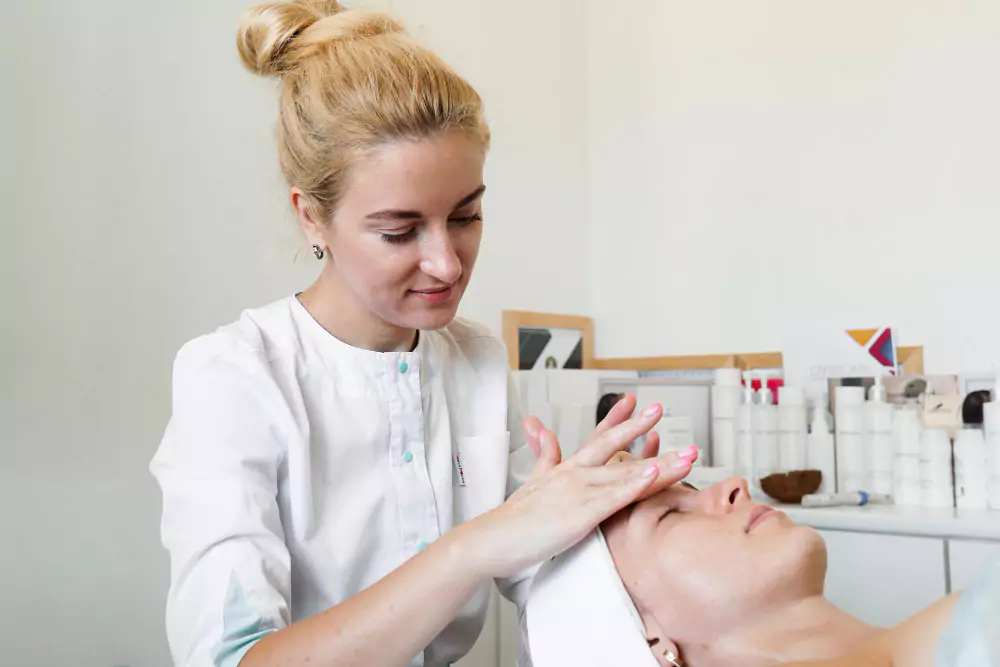
3. Understand Customization of Needle Type and Length
Selection of the type of needle and length is one of the most important things in microneedling. The microneedling courses in Essex will provide specific guidance on the choice of needles according to skin type and treatment objectives.
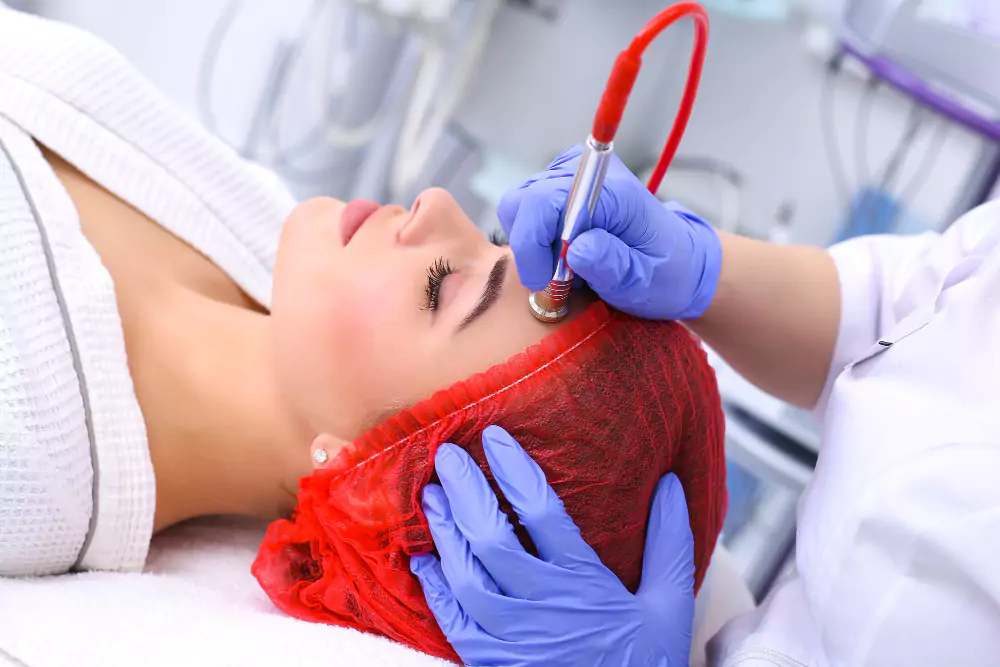
- Needle Type: You will understand the differences between pen-style and roller-style microneedling devices. Pens are more delicate, especially around sensitive areas, while rollers cover larger areas but may have a lesser degree of control. Each type has its advantages depending on location and condition being treated.
- Needle Length: Understanding the depth of a needle is important. Courses will teach you how to manipulate it for different skin areas. For example, facial areas are likely to have the most sensitive skin, and areas around the eyes require much shorter needles, while those areas with thicker skin can warrant deeper penetration.
The whole customization is quite detailed to ensure that the treatments meet both safety and effectiveness criteria, which, in turn, gives you the confidence to apply such treatment, meeting client expectation and undertaken through a structured course.
4. Mastering Skin Preparation and Post-Treatment Care
Skin preparation for the treatment and after-care are equally important in microneedling. The professional courses taken in Essex will take you through the necessary protocols that will help reduce risks of infection, irritation, and adverse reactions.
Skin Preparation:
- Cleansing: The skin has to be cleaned using a degreaser to rid it of oils, dirt, and bacteria. It has to be a non-irritating cleanser.
- Numbing Cream: Most professionals use a topical anaesthetic cream to minimize discomfort. Training regarding application and timing will be given to ensure comfort for the client without compromising the treatment.
Post-Treatment Care: Immediately after microneedling, skin is very sensitive and easily influenced by the environment. Teaching correct aftercare is imperative and includes but is not limited to the following:
- No sun; apply SPF.
- Gentle cleansers with no active skincare ingredients until the skin heals.
- Soother and hydrator products, such as hyaluronic acid or peptides, which help your skin repair itself.
A good course will teach you these steps so you know your direction of the client through the healing process will be effective for the treatment and satisfying for the clients.
5. Practising Advanced Techniques: Radiofrequency Microneedling and PRP
Other classes, in the more advanced stages of training offered in Essex, may even touch on the advanced techniques to enhance the process of microneedling: RF microneedling and PRP therapy.
- Radiofrequency (RF) Microneedling: This is a combined technique that makes use of the efficiency of microneedling in concert with RF energy, which feeds heat to the dermis. This acts more so as an added boost for the stimulation of collagen and elastin production. The heat is delivered to the dermis, similar to an added boost to help stimulate the production of collagen and elastin. Very effective in skin tightening, softening fine lines, and minimizing the appearance of pores. You will learn specific settings and how to incorporate RF for maximum results with microneedling in training.
- Platelet-Rich Plasma (PRP) Therapy: Sometimes referred to as the “vampire facial,” PRP uses one’s own plasma, rich in growth factors, in an attempt to enhance the body’s processes of healing and regeneration. PRP is applied over the treated area post-microneedling and works deeper into the skin. Most Essex courses provide additional PRP training upon completion. Many courses cover, in that regard, PRP preparation and application, the added benefits when combined with microneedling.
These are advanced skills that take a lot of handling and care; thus, in-depth training is required for that. Thus, it helps you boast above the rest of other practitioners by offering your clients an advanced level of treatment, marrying science with aesthetic care.
Additional Considerations: Client Consultation and Safety Protocols
Among the most underrated areas of microneedling training is consultation. A good microneedling course in Essex would teach you how important understanding each client’s goals, skin type, and medical history is in providing a personalized course of treatment for that particular client. You will be able to learn how to find any contraindications, such as active acne, skin infections, and other medical conditions that make microneedling unsuitable for certain clients.
Besides this, microneedling is highly demanding concerning hygiene and safety. Courses teach sterilization techniques, the use of disposable needles, and maintaining minimal cross-contamination risks. Knowing these procedures inside out not only secures your clients but ensures trust and professionalism.
How to Choose the Right Microneedling Course in Essex
Essex has many courses in microneedling, and you have to be very critical in the choice you make to suit your needs. Consider the following in choosing your course:
- Accredited Certification: The course should include accredited certification, whereby this increases your credibility and gives clients confidence that you know what you are doing.
- Experienced Trainers: Trainers should be competent in their professional field and have vast practical experience.
- Hands-on Training: Practical is very important. Choose courses with hands-on practice that is observed.
- Advanced Techniques: If you are going to specialize, consider courses that go beyond basic microneedling by adding RF or PRP modules to microneedling.
Final Thoughts
Microneedling is such a powerful yet versatile treatment. Mastering it with a professional course in Essex opens the way to advanced aesthetics practice. From understanding skin anatomy to precision techniques and advanced add-ons, each module in a comprehensive microneedling course is designed to take your skills to the next level. Invest in quality training, and you will have the confidence to deliver outstanding results and build a loyal client base.
Microneedling course in Essex at Faces on Faces offers hands-on training with expert guidance. Whether beginner or seasoned practitioner, one finds the necessary skills, knowledge, and hands-on experience on an Essex microneedling course that are needed to set someone off in this very rewarding field.
FAQs
What is included in the microneedling course?
Our course includes the techniques necessary for performing microneedling, hands-on practical training, and safety for effective skin rejuvenation.
Who can take this course?
The target group for this course is aestheticians, beauty therapists, and professionals offering services concerning skin care who would like to advance their knowledge in areas such as microneedling.
Will I get certified?
Yes, you will be certified with a recognized aesthetics industry certificate upon successful completion.
Do I need experience?
Basic aesthetics knowledge is preferred but also complete beginners are welcome since we want to share the will to learn.
How Long Does the Course Take?
This course will be structured in such a way that the theoretical and practical sessions will be completed within one day.