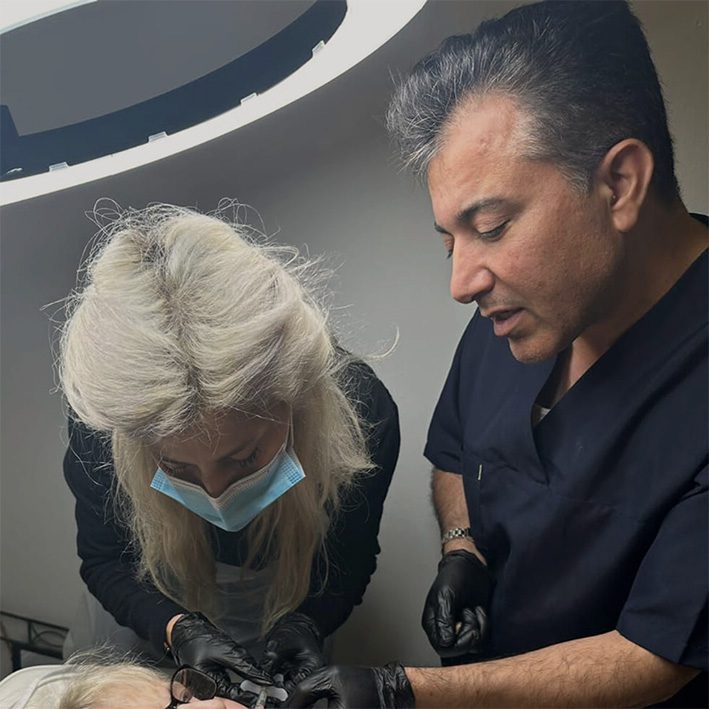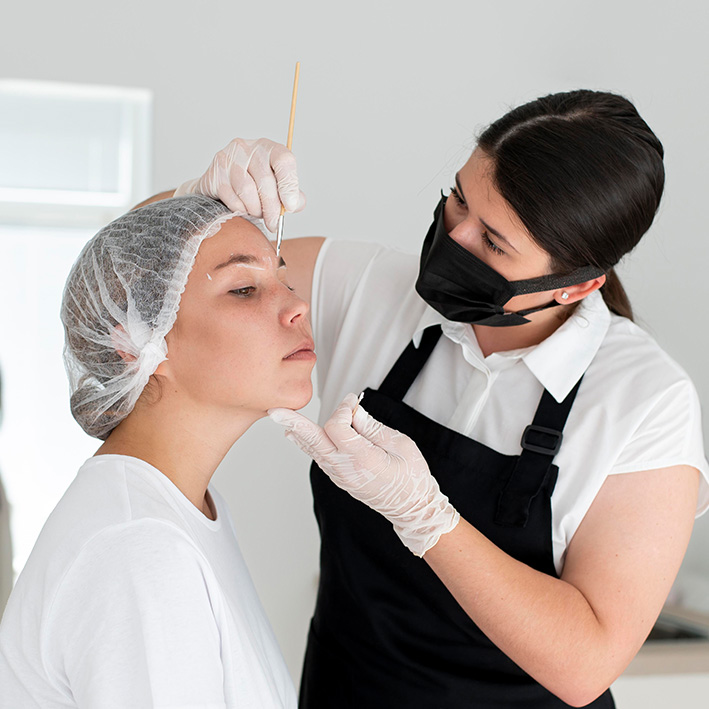
An aesthetic course teaches elective, non-surgical treatments that improve skin quality, facial harmony, and patient confidence. Curriculum covers consultation, facial anatomy, consent and record-keeping, treatment protocols, asepsis, complication prevention and management, and clinic operations. Modalities include injectables, skin rejuvenation, energy-based devices, and adjunct therapies. Assessment includes live demonstrations, supervised hands-on practice, and competency sign-off.
Types of aesthetic courses available in London
- Foundation injectables: anti-wrinkle (botulinum toxin) and basic dermal fillers
- Level 7 diploma in injectables: regulated pathway with supervised practice and OSCE-style assessment
- Advanced filler: lips, perioral, midface, jawline, chin, tear trough, cannula vs needle
- Liquid rhinoplasty and full-face harmonisation
- Skin boosters and biostimulators: HA boosters, polynucleotides, calcium hydroxyapatite
- PRP and PRF: skin, hair restoration, under-eye protocols
- Chemical peels: superficial to medium depth, indication-led protocols
- Microneedling and mesotherapy
- Laser and light: IPL, fractional, vascular and pigment targeting, laser safety
- Threads: PDO and PLLA lifting and collagen induction
- Fat-dissolving injectables and body contour adjuncts
- Ultrasound-guided injectables and vascular mapping
- Complication recognition and emergency management: vascular occlusion, filler reversal, anaphylaxis
- Infection control, medicines management, and sharps safety
- Business, consent, advertising compliance, medical photography, and portfolio building
Dense provider network delivers frequent intakes and broader case mix. Teaching hospitals and private clinics host anatomy labs, ultrasound workshops, and live patient sessions. Senior faculty include prescribers and multi-disciplinary teams, which improves supervision quality. Conferences, supplier showcases, and peer networks sit within a short travel distance. Insurers, pharmacies, and prescriber support services operate locally, which speeds onboarding after training. Regulatory alignment with UK frameworks (e.g., Ofqual Level 7 pathways, JCCP/CPSA standards) features prominently in course design.
Clear entry pathways exist with foundation days and structured diplomas. Demand for safe skin and injectable services stays high across London and the Home Counties. Skill stacking enables fast progression from skin therapies to supervised injectables. Capital requirements remain modest for skin-led services. Portfolio building, patient-communication skills, and infection control translate across clinics. Compliance training creates employer trust and reduces onboarding friction.
Advanced modules unlock higher-complexity, higher-fee procedures. Ultrasound guidance improves precision and safety in vascular territories. Complication mastery elevates clinical governance and leadership credibility. Threads, biostimulators, and full-face plans increase treatment breadth and continuity of care. Mentoring and teaching opportunities open after advanced credentialing. Research participation and case publishing strengthen professional standing.
Nurse vs non-medical practitioner: key differences
- Baseline regulation: Nurses register with the NMC and follow a statutory code of practice. Non-medical practitioners without statutory registration follow training-provider standards and clinic SOPs.
- Prescribing and POM access: Botulinum toxin and hyaluronidase classify as POMs. Independent prescribers (nurses with V300, doctors, dentists, pharmacists IPs) assess, prescribe, and oversee treatment. Non-prescribers require a face-to-face prescriber consultation before treatment and require prescriber availability for aftercare.
- Complication response: Nurses train in medical history review, red-flag recognition, anaphylaxis management, and POM use for reversal where authorised. Non-medical practitioners escalate to a prescriber for medicine-based interventions and follow clinic emergency protocols.
- Governance and insurers: Nurses map practice to clinical governance, audit, and CPD under a statutory framework. Non-medical practitioners rely on insurer terms, manufacturer guidance, and clinic governance to define safe scope.
- Career mobility: Nurses progress to independent prescribing, advanced practice, leadership, and training roles with defined CPD ladders. Non-medical practitioners progress through private certifications and demonstrable case experience.
What is an aesthetic course for nurses?
An aesthetic course for nurses builds on clinical assessment, pharmacology, and infection-control foundations. Programmes integrate consultation ethics, facial anatomy at depth, ultrasound-aware injection planning, prescription-only medicine protocols, and emergency drugs governance. Pathways include foundation injectables, Level 7 diploma routes, and V300 independent prescribing for eligible nurses. Teaching blends simulation, supervised live cases, and objective competency assessment, which maps cleanly to insurer requirements and clinic governance.
Table of Contents
ToggleWhat Defines an Aesthetic Course?
An aesthetic course defines a structured programme of education designed to teach safe, evidence-based methods for delivering non-surgical cosmetic treatments. These courses blend theoretical learning with supervised clinical practice, ensuring that practitioners develop both technical skill and clinical judgement.
Key Characteristics of an Aesthetic Course:
- Scientific foundation: Built on anatomy, physiology, pharmacology, and skin science to support precise and safe treatment delivery.
- Practical training: Includes live demonstrations, supervised hands-on sessions, and competency assessments with real patients.
- Regulatory alignment: Designed to meet standards set by UK frameworks such as Ofqual Level 7, JCCP, and CPSA.
- Treatment scope: Covers procedures ranging from injectables (botulinum toxin, dermal fillers) to skin therapies, lasers, threads, and complication management.
- Clinical governance: Emphasises infection control, consent protocols, risk assessment, and emergency preparedness.
- Career progression: Offers tiered pathways, from beginner-level courses in skin rejuvenation and injectables to advanced diplomas and specialist modules.
- Interdisciplinary access: Open to nurses, doctors, dentists, pharmacists, and in some cases, non-medical practitioners under prescriber supervision.
- Business integration: Many courses include modules on advertising compliance, patient communication, clinic management, and insurance requirements.
This combination of academic theory, supervised practice, and governance structures ensures that aesthetic courses prepare learners for safe, effective, and ethical practice in clinical aesthetics.
How Do Aesthetic Courses for Nurses Stand Out?
Aesthetic courses stand out for nurses by building directly on their clinical background, professional accountability, and patient-care expertise. These programmes recognise the advanced assessment skills and medical knowledge that nurses already possess, elevating them into the specialised field of non-surgical aesthetics.
Skills and Knowledge Gained:
- Mastery of facial anatomy and skin physiology for precise treatment planning.
- Competence in injectables, skin therapies, threads, and complication management.
- Prescribing pathways for eligible nurses (V300 independent prescribing).
- Advanced consultation skills covering patient assessment, risk stratification, and consent.
- Emergency response training, including anaphylaxis and vascular occlusion management.
Career Opportunities:
- Transition into aesthetic clinics as injectors or lead practitioners.
- Progression to independent prescriber status, allowing full control over treatment plans.
- Establishment of private practice or mobile aesthetic services.
- Leadership, mentoring, and teaching roles within the aesthetic training sector.
- Opportunities in clinical research, case publishing, and contribution to safety guidelines.
Patient-Focused Outcomes:
- Enhanced safety through evidence-based protocols and emergency preparedness.
- Stronger patient trust, as nurses operate under recognised professional codes.
- Holistic care, ensuring treatments align with both aesthetic goals and overall health.
- Continuity of care, from consultation to follow-up, rooted in patient wellbeing.
Regulatory Compliance
Nurses practising aesthetics operate under Nursing and Midwifery Council (NMC) regulations, with strict adherence to clinical governance, safeguarding, and record-keeping standards. Courses align with Joint Council for Cosmetic Practitioners (JCCP) and Cosmetic Practice Standards Authority (CPSA) guidelines, ensuring practice meets national benchmarks for safety and quality. Insurance providers recognise these regulated pathways, which strengthens employability and patient confidence.
Which Types of Aesthetic Courses Exist in London?
London offers a broad spectrum of aesthetic training pathways designed for healthcare professionals and practitioners seeking structured, evidence-based education. These courses range from introductory programmes for beginners to advanced, specialised modules and academic qualifications.
Foundational & Beginner Courses
Foundational and beginner aesthetic courses are scientifically structured to provide essential knowledge of skin anatomy, pharmacology of aesthetic medicines, and core injection techniques. They emphasise patient consultation, risk assessment, and supervised practice. Treatments typically include:
- Anti-wrinkle injections (botulinum toxin for glabellar, forehead, crow’s feet)
- Basic dermal filler techniques (lips, nasolabial folds, marionette lines)
- Skin therapies (microneedling, superficial chemical peels, mesotherapy)
These courses ensure competence in aseptic technique, safe dosage calculation, and recognition of immediate complications.
Advanced & Specialised Courses
Advanced courses expand treatment scope and anatomical depth, with structured modules that follow a numerical progression:
- Facial Contouring and Profile Balancing – advanced filler techniques for cheeks, chin, and jawline, using both needle and cannula.
- Tear Trough and Periorbital Treatments – focused on the delicate under-eye region, requiring vascular awareness and complication management.
- Liquid Rhinoplasty – non-surgical nasal reshaping using hyaluronic acid fillers with advanced anatomical mapping.
- PDO and PLLA Threads – lifting and collagen induction through resorbable thread insertion.
- Biostimulatory Injectables – polynucleotides, calcium hydroxyapatite, and skin boosters for tissue regeneration.
- Hair Restoration Therapies – platelet-rich plasma (PRP), platelet-rich fibrin (PRF), and adjunctive injectable protocols.
- Laser and Light Therapies – including IPL, fractional resurfacing, vascular and pigment-specific lasers, with mandatory core knowledge of laser safety.
- Fat-Dissolving Injections – deoxycholic acid-based treatments for submental and localised adiposity.
- Ultrasound-Guided Injection Techniques – applied to filler placement and vascular complication management.
Each advanced course integrates case-based assessment, live patient work, and complication drills.
Comprehensive & Academic Pathways
Universities and higher education institutions in London offer diploma and postgraduate routes:
- Level 7 Diploma in Injectable Aesthetics – regulated by Ofqual, covering theoretical knowledge, OSCE-style exams, and supervised patient treatments.
- Postgraduate Certificates and Diplomas – offered by universities such as King’s College London and Queen Mary University, providing modules in dermatology, cosmetic injectables, and skin science.
- MSc in Aesthetic Medicine – advanced academic training combining clinical research, ethics, pharmacology, and practical clinical blocks.
These pathways result in formally recognised academic certification, often mapped to professional registers (JCCP, CPSA) and accepted by insurers and employers.
Specialist Training and Career Opportunities
Specialist courses focus on niche treatments and career development areas, including:
- Complication Management – advanced protocols for vascular occlusion, filler reversal, and adverse reaction handling.
- Aesthetic Business & Compliance – clinic setup, advertising law, patient data governance, and CQC considerations.
- Skin of Colour Aesthetics – tailored protocols addressing pigmentation, keloid risk, and cultural treatment planning.
- Paediatric Dermatology Adjuncts – for nurses and doctors working with acne and scar revision in younger patients.
Career opportunities following specialist training include becoming a lead injector in high-end clinics, establishing independent practices, working with pharmaceutical suppliers as a key opinion leader, or progressing into teaching and academic research roles within the aesthetics field.
How Do London Aesthetic Courses Compare to Other UK Cities?
London offers advantages for aesthetic courses due to its larger number of highly-rated schools, access to a global clientele, and a dynamic beauty industry with a wide range of training options, including advanced qualifications like the Level 7 Diploma in Aesthetic Medicine.
University and Training Institute Analysis:
- London-based universities and providers: Approximately 78% of UK postgraduate aesthetic medicine enrolments are concentrated in London, with institutions such as King’s College London and Queen Mary University offering MSc and PG Diplomas in Aesthetic Medicine.
- Ratings: Surveys of healthcare trainees show 85% satisfaction with London-based courses, compared with an average of 71% in other UK cities.
- Case exposure: London clinics see 40–50% more international patients than regional centres, giving students broader clinical experience in diverse skin types and treatment demands.
- Industry growth: London accounts for 52% of the UK’s aesthetic training market, due to its higher density of private clinics, teaching hospitals, and professional conferences.
Advantages of London:
- Access to world-class universities offering accredited MSc and Level 7 programmes.
- High concentration of training academies with flexible weekend and evening courses.
- Diverse patient demographics, offering trainees experience across skin tones, ages, and treatment goals.
- Strong career network with opportunities to join prestigious clinics, conferences, and mentorship programmes.
- Regulatory alignment, with most London providers embedding Joint Council for Cosmetic Practitioners (JCCP) and Cosmetic Practice Standards Authority (CPSA) guidance.
Alternatives in Other Cities:
- Manchester: Known for practical, clinic-led injectables courses at lower costs.
- Birmingham: Offers strong training in skin therapies and laser/IPL treatments.
- Leeds: Focuses on dermatology-linked aesthetic courses.
- Glasgow and Edinburgh: Well-regarded for smaller group sizes and one-to-one supervision.
- Bristol: Popular for shorter certificate-based training in skin rejuvenation and chemical peels.
Factors to Consider When Choosing:
- Accreditation: Check if the course is Ofqual-regulated or university-accredited.
- Cost vs Return: Higher fees in London may be offset by faster career progression and access to global clientele.
- Course Format: Full-time postgraduate vs part-time short courses.
- Mentorship: Availability of clinical supervision and prescribing support.
- Location logistics: Travel, accommodation, and time commitments.
Cost Comparison of Aesthetic Courses (2025)
City | Foundation Injectables (2–3 days) | Level 7 Diploma in Injectables | MSc/PG Diploma (University) |
London | £1,800 – £2,500 | £7,500 – £9,500 | £12,000 – £15,500 |
Manchester | £1,400 – £2,000 | £6,000 – £7,200 | £9,000 – £11,000 |
Birmingham | £1,300 – £1,900 | £6,200 – £7,500 | £9,500 – £11,500 |
Leeds | £1,200 – £1,800 | £6,000 – £7,000 | £8,500 – £10,500 |
Glasgow | £1,200 – £1,600 | £5,800 – £7,000 | £8,000 – £9,500 |
Bristol | £1,100 – £1,700 | £5,500 – £6,800 | £8,000 – £9,000 |
Observation: London is consistently 20–30% more expensive than other UK cities, but offers higher patient exposure, better networking, and globally recognised qualifications, which enhance long-term career value.
Which Course Path Is Best for Your Career Stage in Aesthetic Courses?
The best aesthetic course path depends on your existing qualifications and career goals: Healthcare professionals should pursue a Level 7 Diploma for advanced injectables, while beauty therapists can progress from Levels 2 & 3 to Levels 4 or 5 for advanced skin treatments, and then potentially to Level 6 or 7. Each route is structured to align with regulatory expectations, patient safety, and long-term career development.
Healthcare Professionals (Nurses, Doctors, Dentists):
- Entry Point: Foundation injectables (anti-wrinkle, basic dermal fillers).
- Progression: Level 7 Diploma in Injectables, postgraduate certificates, or MSc in Aesthetic Medicine.
- Core Skills: Prescribing (for independent prescribers), advanced injection techniques, complication management, ultrasound-guided treatments, governance.
- Career Options: Lead injector in private clinics, independent prescriber running solo practice, trainer in aesthetic academies, researcher, or key opinion leader for pharmaceutical companies.
Beauty Therapists – Structured Levels:
- Level 2 & 3 (Entry and Core Aesthetics)
Focus on facials, basic skincare, and anatomy relevant to skin health. Prepares therapists for advanced study. - Level 4 (Advanced Skin Treatments)
Covers chemical peels, laser/IPL, and microneedling. Provides eligibility for CIBTAC or VTCT-accredited advanced training. - Level 5 (Clinical Skin Interventions)
Focuses on advanced chemical peels, skin rejuvenation, and mesotherapy under clinical supervision. - Level 6 (Specialist Aesthetic Practice)
Includes higher-level management of skin conditions, laser physics, and advanced treatment protocols. - Level 7 (Injectables & Clinical Aesthetics)
Provides eligibility to study injectable aesthetics with supervised patient practice and complication management.
Career Options for Beauty Therapists:
- Level 2–3: Spa and salon-based roles.
- Level 4–5: Advanced skincare practitioner in aesthetics clinics.
- Level 6–7: Clinic owner, advanced aesthetician, or collaborative work alongside medical prescribers.
Aspiring Practitioners or Those Exploring the Field
For those new to the industry, short introductory courses in skin health, microneedling, and chemical peels offer safe entry points. These provide exposure to patient communication, consultation ethics, and treatment planning without the responsibility of prescribing.
Key Considerations for All Paths:
- Accreditation: Ensure the course is Ofqual-regulated or university-accredited.
- Insurance Eligibility: Confirm insurer recognition for your qualification level.
- Supervision Access: Advanced treatments often require collaboration with a prescriber.
- Career Goals: Define whether your trajectory is clinic-based, self-employed, or academic.
Career Options by Stage:
- Beginners: Start with skin therapies, microneedling, or chemical peels to build patient-care confidence and treatment portfolios.
- Advanced Learners: Move into full-face injectable harmonisation, threads, ultrasound-guided practice, and leadership roles in training.
Career Options for Non-Medical Practitioners:
- Entry: Levels 2–4 skin-based qualifications, including peels and microneedling.
- Progression: Levels 5–6 for advanced skin science and device-based therapies.
- Limitations: Non-medical practitioners require prescriber partnerships for POMs (botulinum toxin, hyaluronidase).
- Careers: Advanced aesthetician, laser/IPL specialist, clinic manager, or collaborative practitioner within a medically supervised clinic.
Career Options for Nurses:
- Entry: Foundation injectables, typically anti-wrinkle and dermal filler basics.
- Progression: Level 7 Diploma, V300 Independent Prescribing, and MSc in Aesthetic Medicine.
- Advanced Roles: Independent injector with prescribing authority, clinical lead in a multidisciplinary clinic, trainer for other nurses and practitioners, or academic researcher in aesthetic safety.