Aesthetics courses are gaining popularity as individuals and professionals seek to enhance their knowledge in the non-surgical beauty and medical treatments field. Whether you’re looking to start a new career, specialise within the beauty industry, or expand your practice as a medical professional, an aesthetics course offers a pathway to exciting opportunities. But what exactly are aesthetics courses, and who are they designed for? In this blog, we will define aesthetics courses, explore who they are meant for, and discuss the benefits and expectations of pursuing such a course.
Table of Contents
ToggleWhat Are Aesthetics Courses?
Aesthetics courses are specialised training programs that focus on the application of non-surgical beauty treatments designed to improve the appearance of skin and reduce the signs of ageing. These courses typically cover a variety of treatments, including but not limited to, botox and dermal fillers, laser hair removal, chemical peels, microneedling, and skin rejuvenation. The training prepares students for practical, hands-on experience and provides the knowledge required to work in the rapidly growing field of aesthetics.
Unlike traditional beauty therapy programs, aesthetics courses focus more on medical-grade treatments and techniques, which are becoming increasingly popular due to their effectiveness and minimal recovery time. These treatments are generally safer and less invasive than surgeries, offering clients an attractive alternative to more intensive procedures.
The structure of aesthetics courses varies depending on the provider. Some programs may last a few days or weeks for those looking to learn specific treatments, while more comprehensive programs may extend over several months, offering extensive training that covers a wide range of procedures and includes clinical placements.
Key Treatments Covered in Aesthetics Courses
While the specifics can vary from one course to another, here are some of the most common treatments covered in aesthetics courses:
- Botox Injections: Botox is one of the most popular non-surgical treatments for wrinkles and fine lines. Aesthetics courses often include botox training, teaching students how to administer injections to reduce the appearance of facial wrinkles.
- Dermal Fillers: Dermal fillers are used to add volume and contour to the face, particularly around the cheeks, jawline, and lips. Training in dermal fillers teaches students how to safely inject various types of fillers for natural-looking results.
- Microneedling: This procedure involves using a device with fine needles to create tiny punctures in the skin. It stimulates collagen production, improving skin texture and reducing scarring. Microneedling training covers the science behind it and practical techniques.
- Laser Hair Removal: Aesthetics courses often include training in the use of lasers to remove unwanted hair. It teaches students about the different types of lasers and how to effectively treat various skin types.
- Chemical Peels: Chemical peels are used to exfoliate and rejuvenate the skin by removing the top layers. Aesthetics courses will cover the different types of peels and their applications for treating acne, pigmentation, and ageing skin.
- Skin Rejuvenation Treatments: This includes various non-invasive treatments aimed at improving the appearance of the skin. It can include procedures like radiofrequency therapy, ultrasound treatments, and LED therapy.
Each of these treatments requires specific knowledge, skills, and certifications. A good aesthetics course will provide thorough training on the anatomy of the skin, safety protocols, and how to perform treatments professionally.
Who Are Aesthetics Courses For?
Aesthetics courses cater to a wide range of individuals, from beginners to experienced professionals in the beauty and medical fields. Here’s a breakdown of who can benefit from enrolling in an aesthetics course:
1. Aspiring Beauty Therapists
Beauty therapists who want to specialize in non-surgical treatments can benefit significantly from aesthetics courses. These professionals already have a foundation in basic beauty treatments, and aesthetics training allows them to expand their skill set to include in-demand treatments like botox injections and dermal fillers. This can increase their earning potential and make them more competitive in the job market.
2. Medical Professionals
Doctors, nurses, and dentists often take aesthetics courses to enter the growing field of medical aesthetics. Medical professionals have an advantage in understanding human anatomy, which is crucial when performing non-surgical procedures. These courses teach them how to apply their medical knowledge to treatments like injectables, microneedling, and other skin-enhancing procedures. By expanding their expertise, they can offer these advanced services in their clinics and provide clients with safe, effective treatments.
3. Beginners and Career Changers
For those looking to transition into the beauty and aesthetics field, an aesthetics course can serve as an entry point. Many programs are designed for beginners with no prior experience in beauty therapy or medicine. These courses provide foundational knowledge in aesthetics treatments, and many offer practical, hands-on experience to build confidence and skills. For people looking for a career change, this can be an exciting opportunity to enter an industry with growing demand and excellent earning potential.
4. Experienced Aestheticians and Beauticians
Current aestheticians and beauticians who want to enhance their qualifications or learn new, advanced techniques can benefit from aesthetics courses. These individuals may already be skilled in traditional beauty therapies, but the addition of non-invasive treatments like botox or dermal fillers allows them to expand their clientele and offer more specialized services. Advanced aesthetics courses are ideal for those looking to update their skills or stay current with trends and innovations in the field.
Benefits of Taking an Aesthetics Course
Enrolling in an aesthetics course provides numerous advantages. Here are some key benefits:
1. Increased Earning Potential
Non-surgical aesthetic treatments are highly lucrative. Offering botox, dermal fillers, and other advanced treatments can significantly increase your earning potential. Many clients are willing to pay a premium for these services, which are often seen as more affordable alternatives to surgery.
2. Flexibility and Career Variety
An aesthetics qualification opens the door to various career paths. You could work in a clinic, beauty salon, spa, or even start your own aesthetic business. The skills learned from these courses are transferable, allowing you to work independently or as part of a team in many settings.
3. Expanding Your Client Base
As a qualified aesthetic practitioner, you can attract a wider range of clients who are looking for non-surgical cosmetic solutions. These treatments are popular among people of various ages and backgrounds, and they can enhance the reputation of your business.
4. Growth in the Aesthetic Industry
The demand for non-invasive aesthetic procedures is growing rapidly. More and more people are opting for treatments like botox, fillers, and microneedling to maintain a youthful appearance without undergoing surgery. This growing trend means that there are more opportunities for trained professionals in the field.
What to Expect from an Aesthetics Course
A typical aesthetics course combines both theoretical and practical training. Here’s an overview of what you can expect:
1. Theoretical Learning
Aesthetics courses often start with foundational knowledge about skin anatomy, health and safety regulations, treatment protocols, and the science behind different aesthetic treatments. Understanding the biology of the skin and how different procedures affect it is crucial to performing treatments safely and effectively.
2. Practical Hands-On Training
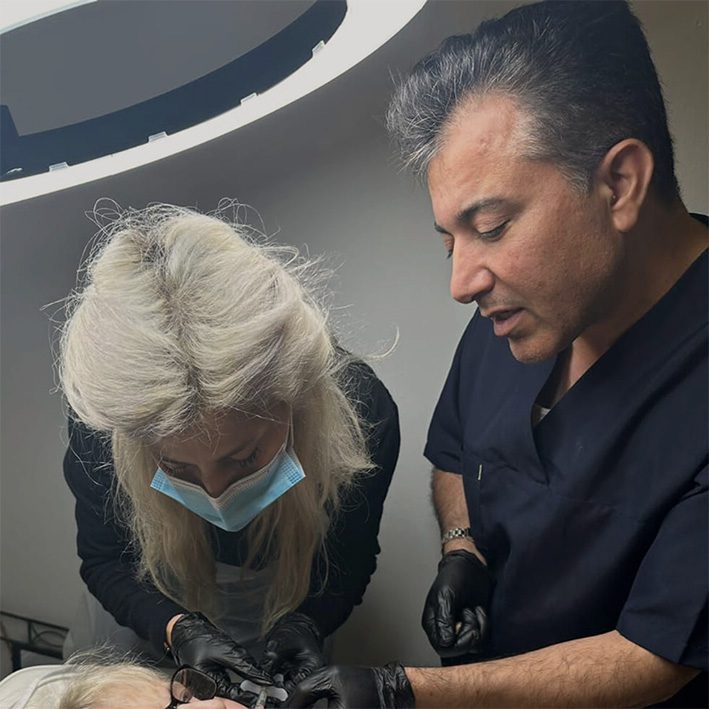
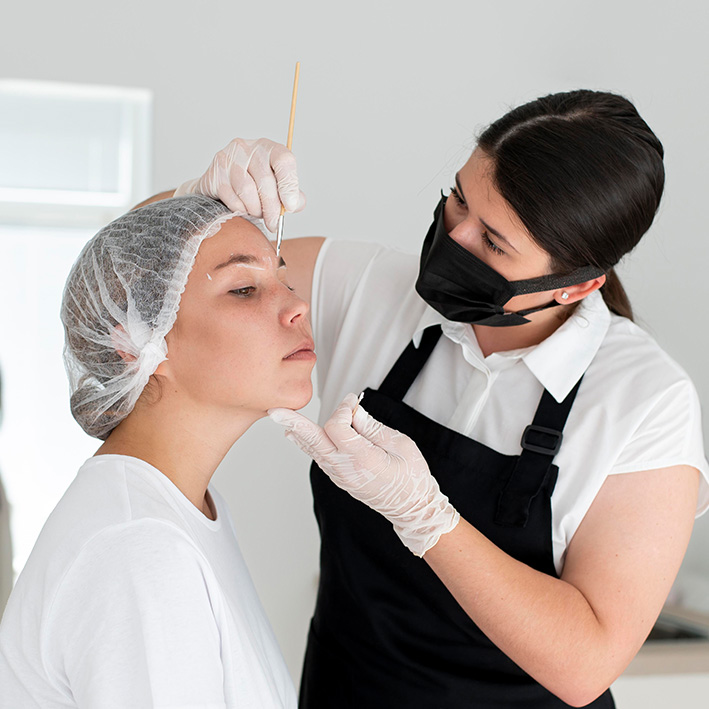
Once you’ve learned the theory, practical sessions allow you to perform treatments on live models or mannequins. Instructors provide guidance and feedback to ensure you develop the skills to perform procedures competently and with precision.
3. Assessment and Certification
Many aesthetics courses include assessments, which may be written exams and practical demonstrations of your skills. Upon successful completion of the course, you will receive a certification, which is important for obtaining insurance and practising legally in your jurisdiction.
Is an Aesthetics Course Right for You?
If you have an interest in beauty, skincare, and non-surgical treatments, an aesthetics course could be a perfect fit. Whether you’re looking to change careers, enhance your existing beauty skills, or expand your medical practice, these courses offer an exciting opportunity.
Before enrolling, make sure to research accredited courses, as proper certification is essential for legally performing treatments and ensuring client safety. With the right training, you can become part of a thriving industry with great potential for growth and success.