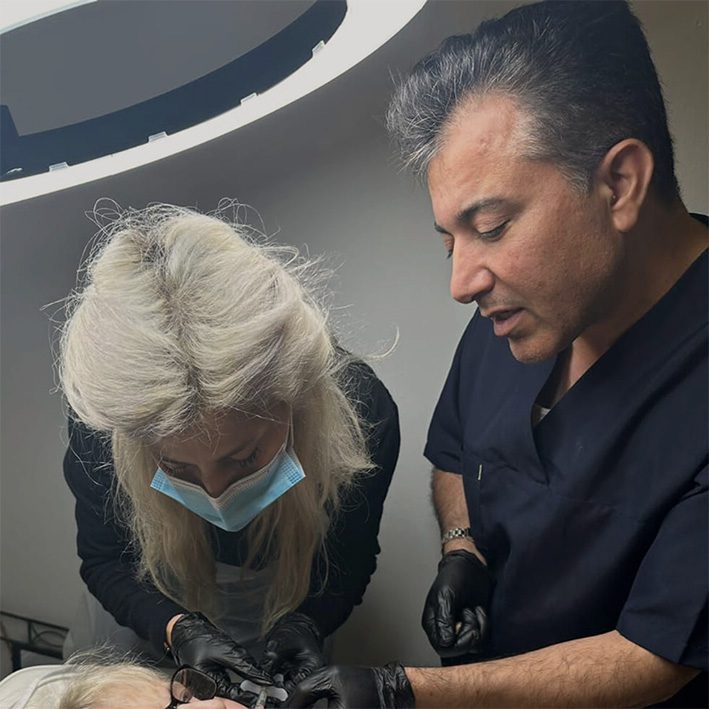
The beauty and aesthetics industry has seen remarkable growth in recent years, driven by increasing demand for non-invasive treatments like Botox, dermal fillers, and laser therapies. As more people seek these services, the demand for skilled professionals has skyrocketed. If you’re looking to pursue a career in this exciting field, selecting the right aesthetic course is crucial for your future success.
But with so many options available in the UK, how do you choose the right one? In this blog, we’ll guide you through the factors to consider when selecting an aesthetic course to ensure that you get the best education and training for your career goals.
Table of Contents
Toggle1. Understand the Type of Aesthetic Course You Need
Aesthetic courses can cover a range of treatments, from introductory beauty therapy to advanced medical aesthetics. Before selecting a course, it’s important to clarify your career goals and determine which area of aesthetics you wish to specialise in.
Basic Aesthetic Courses
If you’re new to the industry, starting with a basic beauty therapy course could be a great way to get introduced to skincare and beauty treatments. These courses generally cover:
- Facials
- Waxing
- Makeup application
- Skin analysis and consultation
For beginners, Level 2 or Level 3 beauty therapy courses are often a good starting point. They’ll help you gain foundational knowledge of the skin, its structure, and basic non-invasive treatments.
Advanced Aesthetic Courses
If you’re already trained as a beauty therapist or have a medical background, advanced aesthetics courses will be the next step. These courses focus on more complex treatments like:
- Botox and dermal fillers
- Laser hair removal and skin rejuvenation
- Chemical peels
- Microneedling
These advanced courses are designed for individuals who want to specialise in non-surgical aesthetic treatments. They typically include in-depth theory, practical demonstrations, and real-world practice to prepare you for performing these treatments on clients.
Medical Aesthetics Courses
For medical professionals like doctors, nurses, and dentists, medical aesthetics courses are a great option. These programs usually focus on advanced injectable treatments (e.g., botox and dermal fillers) and other medical-grade procedures. The training tends to be more comprehensive, with a focus on both the medical and aesthetic aspects of the treatments.
2. Research Course Accreditation and Qualifications
One of the most important factors to consider when choosing an aesthetic course is accreditation. Accreditation ensures that the course meets industry standards and provides the necessary qualifications to practice legally.
Look for courses that are accredited by recognised organisations such as:
- VTCT (Vocational Training Charitable Trust)
- City & Guilds
- NCFE (National Council for Further Education)
- The Aesthetics Academy
Accredited courses typically offer certifications that are widely recognised within the industry. This certification will not only provide credibility but is also essential for obtaining insurance and legally practicing in the field.
In addition to these qualifications, ensure that the course includes comprehensive assessments and practical experience. Hands-on training is vital, as aesthetics is a highly practical field where proficiency can only be developed through real-world application.
3. Check Course Content and Curriculum
Every aesthetics course offers different content, so it’s essential to review the syllabus before enrolling. The course should cover both the theoretical and practical aspects of the treatments you’ll be learning.
Key elements to look for include:
Theory:
- Anatomy and physiology of the skin: Understanding the structure of the skin is essential to performing safe treatments.
- Health and safety standards: These are crucial for working with chemicals, needles, and lasers.
- Treatment protocols: Learn the steps involved in administering treatments like botox or dermal fillers.
- Client consultation and aftercare: Effective communication with clients and aftercare are key to ensuring successful treatments.
Practical:
- Hands-on demonstrations: Make sure the course provides enough practical training to give you confidence in performing the treatments.
- Live models: Training with live models allows you to gain real-world experience and practice your techniques under supervision.
- Clinical placements: Some advanced aesthetics courses offer clinical placements where you can work with real clients, which is invaluable for building your confidence and experience.
4. Consider the Reputation and Reviews of the Provider
It’s important to choose a training provider with a solid reputation in the aesthetics industry. A well-established school will likely offer high-quality training, experienced instructors, and a network of connections that can help you as you launch your career.
To gauge the provider’s reputation, consider the following:
- Instructor qualifications: Research the experience and qualifications of the trainers. They should have a proven track record of delivering training in the aesthetics industry.
- Reviews and testimonials: Look for reviews from previous students. Check independent platforms, such as Trustpilot, Google Reviews, or social media groups, to see what others have said about the course.
- Success stories: Find out if the training provider has helped graduates land jobs or start successful businesses in the aesthetics field. Many providers will feature testimonials or success stories on their website.
5. Understand the Costs and Payment Options
Aesthetic courses can vary greatly in price, depending on the type of course, the duration, and the training provider. Basic beauty therapy courses are generally more affordable, whereas advanced or medical aesthetics courses may require a larger investment.
Before enrolling, it’s essential to fully understand the costs involved. Some key factors to consider include:
- Tuition fees: Ensure the total course fee includes all necessary materials and resources, such as textbooks, equipment, and certificates.
- Additional costs: Check if there are extra costs for exams, equipment, or models. Some advanced courses may also have fees for clinical placements.
- Payment options: Many providers offer flexible payment plans, allowing you to spread the cost over time. Some may also offer student loans or financing options to help you manage the fees.
It’s also worth considering the potential return on investment (ROI) once you complete the course. A successful aesthetician or injectables practitioner can earn a significant income, so weigh the cost of the course against your long-term earning potential.
6. Location and Flexibility
If you’re looking for in-person training, consider the location of the course. Many top aesthetics training schools are based in major cities like London, Manchester, and Birmingham, but there may be regional options that could be more convenient for you.
If you live outside of a major city or have a busy schedule, look for online or hybrid courses that offer flexibility. Some programs offer online learning combined with in-person workshops, giving you the ability to study at your own pace and then attend practical sessions as required.
7. Post-Course Support and Career Assistance
When choosing an aesthetics course, check whether the training provider offers any post-course support. Some providers offer job placement assistance, help with setting up your own business, or continuing education options to expand your skillset further.
- Job placement support: If you want to work in a clinic or spa, job placement assistance can be very beneficial.
- Networking opportunities: A good course provider will help you connect with industry professionals, helping you find potential employers or business partners.
- Further training: After completing your initial course, you may want to take additional courses to specialise in specific areas. Make sure your provider offers opportunities for continuous learning.
Choosing the right aesthetic course in the UK can be a challenging task, but it is essential for setting the foundation for a successful career in the aesthetics industry. By understanding the type of course you need, checking for accreditation, reviewing the curriculum, considering the provider’s reputation, and evaluating costs and support, you can ensure that you are making an informed decision.
Whether you’re just starting out or looking to expand your skillset, taking the time to research and choose the right course will give you the best chance for success in this growing and rewarding field. Good luck on your journey to becoming a skilled and certified aesthetic professional!