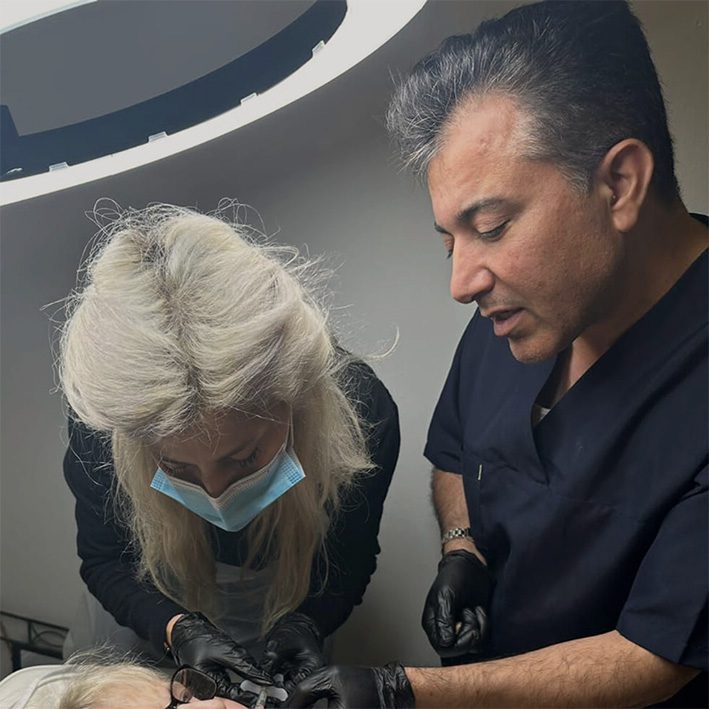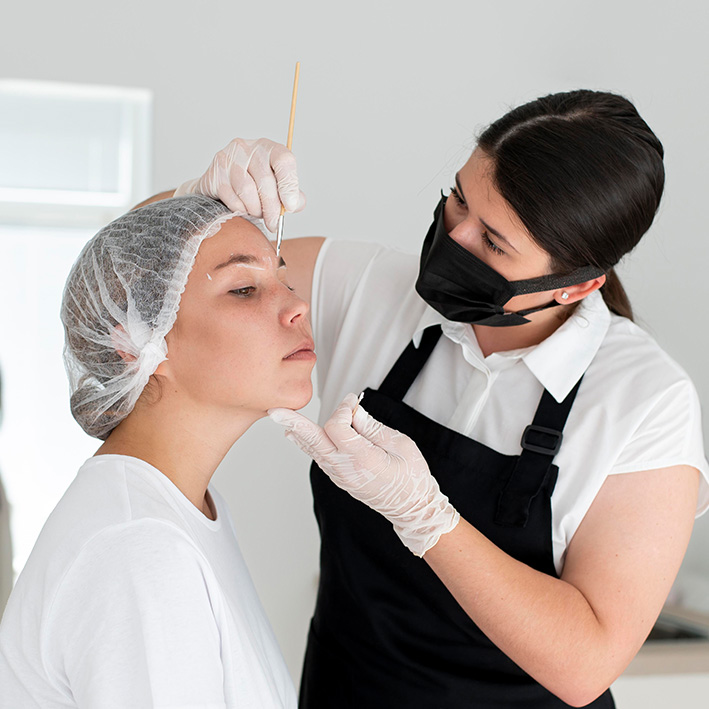
Aesthetic courses deliver structured education in cosmetic science and clinical practice. Curricula cover facial and body anatomy, skin physiology, wound healing, pharmacology relevant to prescription-only medicines, device physics for lasers and energy systems, asepsis and infection control, consultation and consent, complication recognition, and outcome evaluation. Teaching follows evidence-based protocols and measurable competency frameworks.
Primary benefit centres on safe, repeatable results. Formal training reduces adverse events, raises patient satisfaction, secures insurer acceptance, and builds a demonstrable portfolio with supervised cases and audited treatment plans.
Medical background requirements depend on treatment class. Prescription-only interventions such as botulinum toxin require a prescriber and governance that supports assessment, prescription, and complication management. Dermal fillers, peels, microneedling, facials, LED, and many laser/IPL treatments accept non-medics where insurers, local policies, and competency standards are met. Advanced injectables, thread lifts, and invasive energy modalities remain restricted to registered healthcare professionals under clinic governance.
Beginner pathways favour foundations in skin and safety. Level 3–4 skin science with facials and chemical peels establishes assessment and contraindication skills. Core of Knowledge for laser/IPL introduces light-tissue interaction and safety frameworks. Microneedling and LED therapy provide low-risk, high-demand entry points. Foundation toxin and filler training suits doctors, dentists, and nurses with prescribing access or a prescriber partner.
London offers depth, volume, and diversity. Teaching hospitals, large multi-site academies, and independent clinics supply high model availability, diverse Fitzpatrick I–VI skin types, and live-patient lists. Supplier showrooms, conferences, and networking events streamline product access, device trials, and mentorship across the city’s established aesthetic ecosystem.
Online versus offline delivery serves different aims. Online theory provides schedule flexibility, replayable demos, formative quizzes, and pre-study for anatomy, physics, consultation, and complications. Classroom and clinic training delivers tactile skill acquisition, immediate instructor correction, live-patient consenting, emergency drills, and assessor-signed competencies. Blended models pair e-learning for theory with in-person OSCEs and supervised treatment days for sign-off.
Main categories group by modality and depth. Skin and resurfacing covers facials, enzyme and chemical peels, microdermabrasion, and mesotherapy for texture, tone, and acne management. Injectables covers botulinum toxin, hyaluronic-acid fillers, skin boosters, and combination protocols for lines, volume, and bio-remodelling. Device-based energy covers laser and IPL for hair reduction and pigmentation, radiofrequency and HIFU for tightening, and fractionated systems for scars and resurfacing. Regenerative therapies include PRP and autologous conditioning for hair and skin quality. Body contouring includes cryolipolysis, radiofrequency lipolysis, and lymphatic technologies with treatment planning and measurement. Compliance and governance covers consultation law, adverse-event pathways, pharmacovigilance, consent, photography standards, data protection, and clinic SOPs. Business and marketing adds pricing models, patient journey design, and ethical advertising aligned to UK guidance.
Course selection works best when mapped to scope of practice, insurer acceptance, supervised case numbers, and clear assessment criteria with logbook evidence. Continuous CPD then sustains standards, expands indications, and keeps techniques current.
Table of Contents
ToggleWhat Are Aesthetic Courses?
Aesthetic courses are structured programmes in cosmetic science and clinical aesthetics that teach applied anatomy, skin physiology, pharmacology, biomaterials, device physics, aseptic technique, consultation and consent, risk assessment, and complication management. Delivery follows competency frameworks with supervised practice, objective assessments, and portfolio evidence.
The primary benefit is safe, reproducible outcomes. Formal training reduces adverse events, secures insurer recognition, supports regulatory compliance, and builds professional credibility through audited cases and measurable skill sign-off.
Training in cosmetic injectables covers facial anatomy and functional assessment, botulinum toxin pharmacology, dose calculation and dilution, injection planes, reconstitution, adverse-event pathways, and emergency management. Dermal filler training addresses rheology and product selection, cannula versus needle technique, vascular safety, ultrasound-informed practice, and reversal pathways with hyaluronidase. Skin-treatment training spans chemical peels (acid type, pH, contact time, indications), microneedling (depth, density, hygiene, aftercare), mesotherapy and skin boosters, and laser/IPL theory based on selective photothermolysis, eye protection, skin typing (Fitzpatrick I–VI), and local rules.
Course types include:
foundational skin science and facials; chemical peels and microneedling; Core of Knowledge for laser/IPL; foundation injectables (toxin and hyaluronic-acid fillers); intermediate and advanced injectables (lips, mid-face, jawline, full-face harmony); regenerative therapies (PRP, polynucleotides, skin boosters); energy-based devices (RF, HIFU, fractional resurfacing); body contouring (cryolipolysis, RF lipolysis, EM-based toning); complications mastery and emergency drills; governance, consent, photography, and business operations.
These courses serve distinct entrants. Complete beginners gain entry through skin science, peels, microneedling, LED, and Core of Knowledge, building assessment and contraindication skills before advanced procedures. Beauty therapists extend scope into peels, microneedling, and laser/IPL under local rules and insurer criteria. Healthcare professionals new to aesthetics progress to foundation toxin and filler pathways with prescriber support, live-patient mentoring, and formal complication-management training. Continuous CPD then sustains standards and expands treatment indications.
Can Anyone Take an Aesthetic Course?
Yes, anyone can take an aesthetic course, but entry level depends on background and the type of treatment chosen. Courses are open to beauty therapists, non-medics, and registered healthcare professionals. Each training pathway sets clear eligibility criteria to ensure patient safety and professional accountability.
Beginner-level programmes are designed for beginners with no experience and healthcare professionals. These provide the foundation in anatomy, consultation, hygiene, and product handling before progressing to advanced injectables or device-based treatments. Insurers and training academies often require a minimum age (18+), basic literacy in anatomy and skin science, and in some cases a Level 3 Beauty Therapy qualification or equivalent, especially for non-medics pursuing skin or laser pathways. Healthcare professionals (doctors, dentists, nurses, pharmacists) can access direct routes into injectables due to existing clinical registration.
Beginner aesthetic courses include:
- 14 Certificate Fast Track to Aesthetics – a structured package covering skin science, facials, microneedling, peels, and pre-injectable modules that create a recognised pathway for complete beginners.
- Foundation Anti-Wrinkle Course – teaches the safe use of botulinum toxin, including dilution, dose calculation, injection sites, and complication management, tailored for healthcare professionals or non-medics working with prescriber support.
- Foundation Dermal Filler Course – covers hyaluronic-acid fillers for lips and nasolabial folds, with training in product rheology, injection planes, vascular safety, and emergency reversal protocols.
- Liquid BBL – 2 Days Course – introduces body contouring with dermal fillers, focusing on buttock enhancement techniques, cannula methods, safety considerations, and patient selection.
These entry-level options allow students to build confidence and clinical competence before progressing to advanced aesthetics, device-based therapies, or full-face treatment programmes.
Which Aesthetic Courses Are Best for Beginners?
The best Aesthetic Courses for Beginners are those that introduce core injectable skills and skin science in a safe, structured format. Short foundation courses are designed to provide essential theory and supervised practical training, covering anatomy, consultation, product handling, and complication management. Foundation training in anti-wrinkle and dermal fillers forms the starting point for most beginners, ensuring safe practice with injectables while building the confidence needed for clinical application.
Recommended beginner aesthetic courses:
- Foundation Anti-Wrinkle Course (Faces On Faces) – £799
Focused on botulinum toxin training, this course teaches dilution, dose calculation, injection sites, landmarking, and complication management, ensuring beginners and healthcare professionals develop safe and consistent technique. - Foundation Dermal Filler Course (Faces On Faces) – £799
Covers the use of hyaluronic-acid fillers, product rheology, safe injection planes, cannula versus needle technique, and emergency reversal with hyaluronidase. Ideal for those starting in dermal filler treatments. - 14 Certificate Fast Track to Aesthetics (Faces On Faces) – £1,499 (discounted)
A comprehensive 3-day plus online blended programme that combines multiple beginner modules. It includes skin science, facials, peels, microneedling, and injectables, creating a full pathway for complete beginners who want a strong foundation before advancing to higher-level aesthetics.
-
Sale!

14 certificate Foundation course
Beginner Courses£1,999.00Original price was: £1,999.00.£1,599.00Current price is: £1,599.00. Select options This product has multiple variants. The options may be chosen on the product page -

Foundation Anti-Wrinkle Course
Beginner Courses £850.00 Select options This product has multiple variants. The options may be chosen on the product page -
Foundation Dermal Filler Course
Beginner Courses £850.00 Select options This product has multiple variants. The options may be chosen on the product page
Are Aesthetic Courses in London Recognised?
Yes, aesthetic courses in London are widely recognised. The city is home to leading academies, teaching hospitals, and clinics that align training with UK regulations, professional standards, and insurer requirements. Recognition comes from accredited frameworks, use of evidence-based teaching, and trainers who are often practising doctors, dentists, or nurses with clinical expertise.
Reasons for recognition:
- Courses follow UK and international competency frameworks (Level 3–7 standards).
- Trainers include General Medical Council (GMC), Nursing and Midwifery Council (NMC), and General Dental Council (GDC) registered professionals.
- London academies attract global delegates, ensuring consistent demand and quality.
- Insurers and employers view London-based training as a mark of credibility.
Reputable providers include:
- Harley Academy (London)
- Derma Medical
- Faces On Faces Academy
- Cosmetic Courses (founded by Mr Adrian Richards, plastic surgeon)
- London Aesthetic Academy
- Queen Mary University London (Postgraduate Aesthetic Medicine MSc)
Expert opinion:
Mr Adrian Richards, a renowned UK Consultant Plastic Surgeon and founder of Cosmetic Courses, highlights that training in London provides unique advantages. In his view, “London offers unrivalled diversity of patients, access to cutting-edge technology, and high clinical standards. This combination ensures trainees not only gain technical competence but also confidence in managing real-world aesthetic cases.”
Pros of training in London:
- Access to top-tier trainers with medical specialisms.
- Exposure to a wide range of skin types and clinical cases.
- Networking opportunities with global professionals.
- Recognition from insurers and employers across the UK.
Cons of training in London:
- Higher course fees compared to regional academies.
- Living and travel costs add to the investment.
- High competition means securing placements may be more challenging.
Overall, completing an aesthetic course in London offers strong recognition, valuable networking, and clinical credibility, making it one of the most respected choices for beginners and healthcare professionals.
How Do Online Aesthetic Courses Compare to In-Person?
Online aesthetic courses deliver learning through digital platforms, covering anatomy, pharmacology, consultation protocols, risk assessment, and complication management. Modules often include recorded demonstrations, interactive case studies, and assessments that can be completed at home. They are designed for flexible, self-paced study, making them suitable for theory-heavy content such as skin physiology, injection principles, and regulatory compliance.
In-person aesthetic courses are delivered in clinics or training centres with live-patient models. They emphasise supervised practice, tactile skill acquisition, emergency drills, and immediate feedback from trainers. This format is essential for procedures where precision, depth, and technique cannot be mastered through theory alone, such as dermal filler injections or cannula-based treatments.
Advantages of practical hands-on training:
- Direct supervision from experienced trainers.
- Real-patient interaction builds confidence and communication skills.
- Immediate correction of technique, ensuring safe injection depth and angle.
- Emergency simulations for complication management.
- Stronger portfolio evidence for insurers and employers.
Disadvantages of practical hands-on training:
- Higher cost due to clinical facilities and patient models.
- Fixed schedules may limit flexibility for working professionals.
- Requires travel, accommodation, or relocation for some learners.
Advantages of online video/theory training:
- Flexible learning that can fit around work commitments.
- Ability to revisit complex topics through recorded modules.
- Lower cost compared to in-person training.
- Ideal for pre-course preparation and regulatory knowledge.
Disadvantages of online video/theory training:
- No tactile practice on live models.
- Limited feedback and correction from trainers.
- Portfolio evidence often insufficient without practical sessions.
- Reduced networking and professional connections.
Online courses are effective for building theoretical foundations, while in-person training remains essential for mastering practical skills in injectables and advanced treatments. A blended approach combining online study with supervised clinical practice offers the most comprehensive and recognised route into aesthetics.
What Are the Main Categories of Aesthetic Training?
Aesthetic courses are structured programmes designed to teach safe and effective cosmetic procedures, combining scientific theory with supervised practical training. They cover facial anatomy, consultation, product handling, complication management, and patient care, preparing learners for clinical or cosmetic practice.
The main categories of aesthetic training include:
- Skin and Facial Treatments – facials, peels, microneedling, LED therapy.
- Injectable Treatments – botulinum toxin (anti-wrinkle), dermal fillers, skin boosters.
- Device-Based Therapies – laser, IPL, radiofrequency, HIFU.
- Regenerative Treatments – PRP, polynucleotides, IV drip therapies.
- Body Contouring and Advanced Fillers – liquid BBL, liposculpting with fillers.
- Thread-Based Procedures – PDO threads for lifting and collagen stimulation.
- Governance and Business Training – compliance, consent, photography, and clinic management.
Beginner aesthetic courses focus on entry-level treatments that establish safe practice. Popular options include:
- Foundation Anti-Wrinkle Course – botulinum toxin basics.
- Foundation Dermal Filler Course – lips, nasolabial folds, and mid-face.
- 14 Certificate Fast Track to Aesthetics – a comprehensive package combining skin and injectable foundations.
Advanced aesthetic courses expand into complex treatments that demand higher anatomical knowledge and technical precision:
- Liquid BBL – dermal fillers for buttock contouring.
- Liquid Rhinoplasty – non-surgical nose reshaping.
- PDO Threads – lifting and tightening using dissolvable threads.
- IV Drip Therapy – infusion protocols for hydration and wellness.
Beginner vs Advanced Courses: Beginner pathways give structured foundations, focusing on safe, high-demand treatments with lower complication risks. Advanced courses target professionals who have already completed foundation training and want to progress into specialist or higher-risk procedures.
Medical vs Cosmetic Aesthetic Procedures:
- Medical aesthetic procedures (e.g., botulinum toxin, advanced fillers, PDO threads) require prescriber oversight, knowledge of complication reversal, and often a healthcare registration. They address functional and structural outcomes such as muscle relaxation, vascular safety, and regenerative therapies.
- Cosmetic aesthetic procedures (e.g., facials, peels, microneedling, LED) focus on surface-level skin improvements and non-invasive rejuvenation. These can be performed by trained non-medics under local regulations and insurer acceptance.
Together, these categories create a clear pathway from beginner-friendly cosmetic treatments to advanced medical aesthetics, supporting professional growth at every stage.
How to Choose the Right Aesthetic Course in London?
Selecting the right aesthetic course requires balancing practical needs with long-term career goals. Key factors include:
- Price – Compare course fees against inclusions such as supervised model treatments, online modules, and post-course support. Entry-level foundation courses typically range between £700–£1,500, while advanced multi-day programmes cost more.
- Duration – Short one- to two-day courses focus on individual treatments, whereas fast-track or blended options combine multiple modules over several days plus online study for a more comprehensive start.
- Location – London offers a wide range of training centres, making travel and accessibility an important consideration. Central clinics often provide better networking opportunities and exposure to diverse patient types.
- Accreditation – Ensure the course is accredited by recognised awarding bodies or delivered by trainers registered with the GMC, NMC, or GDC. Accreditation supports insurer approval and strengthens career credibility.
- Hands-on practice – Practical training with live models is essential for mastering injection depth, product handling, and complication management. Video or theory alone is not sufficient for professional practice.
Once you’ve built foundational skills through beginner-level courses, many learners, including nurses and medical staff, progress to more advanced, specialised training. This pathway allows practitioners to expand into higher-level treatments such as liquid rhinoplasty, PDO threads, and regenerative therapies, creating broader career opportunities within aesthetics.