The demand for qualified aestheticians is on the rise, especially in bustling cities like London, where people are seeking non-invasive beauty treatments to enhance their appearance. Whether you want to work in a spa, clinic, or even run your own beauty business, becoming a qualified aesthetician in London is a rewarding career choice.
In this guide, we’ll take you through the steps needed to become a qualified aesthetician in London, including the training and qualifications you’ll need, the types of courses available, and tips for building a successful career in the aesthetics industry.
Table of Contents
Toggle1. Understand the Role of an Aesthetician
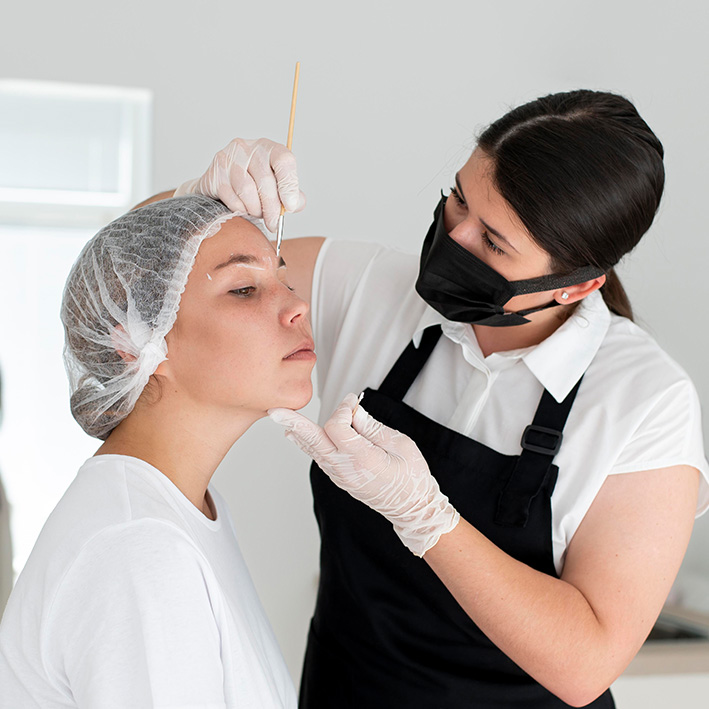
An aesthetician is a trained professional who performs beauty and skincare treatments to improve the health and appearance of the skin. As a qualified aesthetician, you will have the skills to carry out treatments such as facials, hair removal, body wraps, and more advanced procedures like Botox, dermal fillers, and microdermabrasion (depending on your level of training).
The role of an aesthetician can vary, but common duties include:
- Performing facials and skin treatments
- Offering advice on skincare and product use
- Conducting consultations to assess clients’ skin needs
- Performing hair removal (waxing, threading, laser)
- Managing skin conditions such as acne or hyperpigmentation
2. Choose Your Path – Beauty Therapy or Medical Aesthetics?
Before you start your training, it’s important to decide which area of aesthetics you want to pursue. There are two primary paths:
a) Beauty Therapy (Basic Aesthetician Path)
Beauty therapy focuses on basic aesthetic treatments, and this path is ideal if you’re looking to start your career in a beauty salon or spa. It covers essential beauty treatments like facials, manicures, pedicures, waxing, and more.
Typical Courses Include:
- Facial treatments
- Waxing and hair removal
- Skin analysis and consultation
- Health and safety standards
- Client care and communication
These courses can take anywhere from 6 months to a year to complete, depending on whether you pursue full-time or part-time study.
b) Medical Aesthetics (Advanced Aesthetician Path)
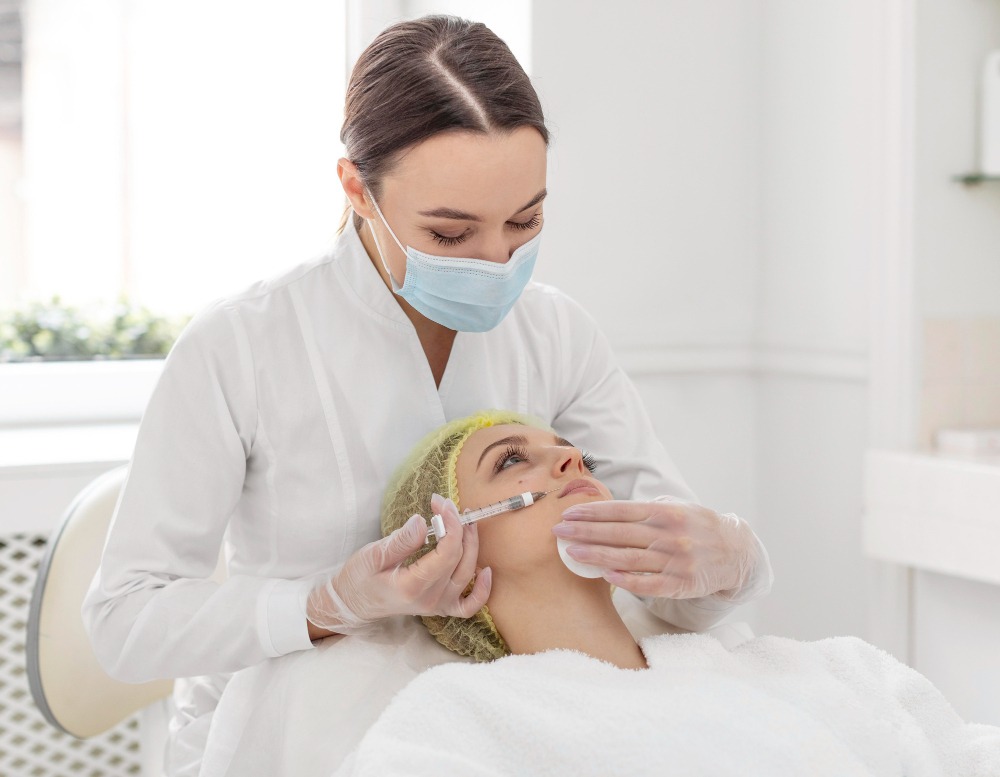
Medical aesthetics is a more advanced path that focuses on non-invasive, medical-grade treatments. This path typically requires a higher level of training and is more suitable for individuals looking to administer Botox, dermal fillers, chemical peels, and laser treatments.
Medical aesthetics courses tend to be more expensive and require a healthcare background, such as a nurse, doctor, or dentist. These treatments are more invasive than beauty therapy treatments and often require specialised training in anatomy, injection techniques, and skin physiology.
Typical Courses Include:
- Botox and dermal fillers
- Laser hair removal and skin rejuvenation
- Chemical peels
- Microneedling
- Advanced skincare treatments
These courses can last from a few days to several months, depending on the treatment and level of certification.
3. Enrol in a Recognised Training Course
To become a qualified aesthetician, you need to enrol in a recognised course that provides both theoretical and practical training. It’s crucial to choose an accredited training provider to ensure that the qualification is recognised within the industry and meets regulatory standards.
a) Beauty Therapy Courses
If you choose to pursue beauty therapy, look for courses that are accredited by well-known bodies like:
- VTCT (Vocational Training Charitable Trust)
- City & Guilds
- The British Association of Beauty Therapy & Cosmetology (BABTAC)
These certifications are recognised across the UK and will allow you to practice as a fully qualified aesthetician.
Popular Providers in London:
- London Beauty Academy
- The Aesthetic Academy
- The London School of Beauty & Make-up
b) Medical Aesthetic Courses
If you have a healthcare background and wish to pursue medical aesthetics, you’ll need to find a course that provides a Level 7 diploma or similar qualification. Look for providers accredited by organisations such as:
- The Harley Academy (known for Level 7 training)
- Derma Medical
- The National College of Aesthetic Medicine (NCAM)
These medical-level courses are specifically designed for those in healthcare who wish to enter the aesthetics industry and specialise in injectables and advanced treatments.
4. Gain Hands-On Experience
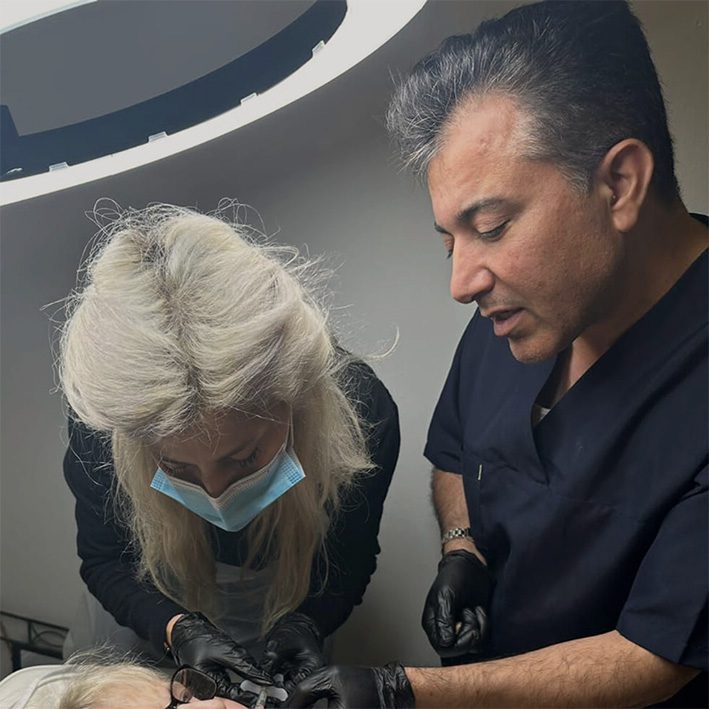
In addition to completing your theoretical coursework, gaining practical experience is essential. Most training courses will include hands-on practice with real clients or models. You’ll learn how to perform various treatments under the supervision of experienced instructors.
a) Clinical Placements
Some advanced courses, especially those in medical aesthetics, may offer clinical placements where you work in a live clinic setting. This is a great way to get real-world experience and build your confidence with clients before you start practising independently.
b) Internships and Work Experience
Once you’ve completed your training, seeking an internship or a junior role in a clinic, spa, or salon can help you gain further experience. Many businesses are willing to hire new graduates as they can gain practical, hands-on experience while also building a professional network in the industry.
5. Obtain Necessary Licences and Insurance
To legally practise as an aesthetician in London, you’ll need to obtain specific licences and insurance:
a) Licensing
In London, many local councils require you to have a licence to provide beauty treatments. You’ll need to check with your local council to see if you need a licence to operate. This applies to treatments such as Botox, dermal fillers, and laser hair removal.
b) Professional Liability Insurance
Once you’re qualified, you’ll also need to get professional liability insurance to protect yourself and your clients. This is particularly important for more advanced aesthetic treatments, where there is a higher risk involved. Insurance typically costs around £100-£300 per year, depending on the treatments you offer.
6. Start Your Career – Jobs and Freelance Opportunities
Once you’re a fully qualified aesthetician, you can choose to work in various settings or even start your own business. Some options include:
a) Working in a Clinic or Spa
Many aestheticians begin their careers by working in beauty clinics, day spas, or high-end salons. This allows you to gain experience, build your portfolio, and develop a loyal client base.
b) Freelancing or Self-Employment
As you gain experience and confidence, you may choose to become self-employed, offering mobile aesthetic services or opening your own clinic. Many aestheticians go freelance after several years of practice to enjoy greater flexibility and potentially higher earnings.
c) Advanced Career Paths
If you want to further advance your career, you can specialise in areas like advanced injectables, laser treatments, or even cosmetic dermatology. Some aestheticians also choose to pursue teaching qualifications, offering training to others in the industry.
7. Keep Up with Continuing Education
The aesthetics industry is constantly evolving, with new techniques, products, and technologies emerging regularly. As a qualified aesthetician, you’ll need to keep up with the latest trends and innovations in the field. Continuing education through workshops, masterclasses, and advanced training courses will ensure you stay competitive and up-to-date.
Some of the most sought-after specialisations include:
- Advanced Botox and Dermal Fillers
- Laser Hair Removal Certification
- Microneedling and PRP Treatments
- Chemical Peels
Conclusion
Becoming a qualified aesthetician in London involves choosing the right training path, completing accredited courses, gaining practical experience, and ensuring that you’re properly licensed and insured. The aesthetics industry offers excellent earning potential, career flexibility, and job satisfaction, making it an exciting and rewarding field to enter.
Whether you choose to work in a beauty clinic, a spa, or even start your own business, becoming a qualified aesthetician in London provides you with the tools you need to build a successful career in this growing industry.